Water
Caprylic/Capric Triglyceride
Isopentyldiol
Pentylene Glycol
Heptyl Undecylenate
Stearic Acid
Propanediol
Glyceryl Stearate
Hydroxyethyl Urea
Glyceryl Glucoside
Bakuchiol
Squalane
Trehalose
Simmondsia Chinensis (Jojoba)
Seed Oil
Retinal
Centella Asiatica Leaf Vesicles
Sodium Hyaluronate
Behenyl Alcohol
Glycerin
Sodium Olivoyl Glutamate
Polyglyceryl-10 Oleate
Macadamia Ternifolia Seed Oil
Hydrogenated Lecithin
Tocopherol
Illicium Verum (Anise) Fruit Extract
1,2-Hexanediol
Glyceryl Oleate
Glyceryl Stearate Citrate
Sodium Polyacryloyldimethyl Taurate
Ammonium Acryloyldimethyltaurate/VP
Copolymer
Hydroxyethyl Acrylate/Sodium
Acryloyldimethyl Taurate
Copolymer
Caprylyl Glycol
Polyglyceryl-10 Laurate
Cholesterol
Betaine
Polyglyceryl-3 Methylglucose
Distearate
Brassica Campestris (Rapeseed)
Sterols
Ethylhexylglycerin
Silica
Adenosine
Aluminum/Magnesium Hydroxide
Stearate
Scutellaria Baicalensis Root Extract
Potassium Cetyl Phosphate
Pentaerythrityl Tetra-di-t-butyl
Hydroxyhydrocinnamate
Nephelium Lappaceum Peel Extract
Citric Acid
Butylene Glycol
Sorbitan Isostearate
Tetrasodium Glutamate Diacetate
At the core of this technology, retinaldehyde is entrapped in an inner niosome vesicle along with a mineral layered double hydroxide nanostructure. This inner “niosomal” encapsulation stabilizes the highly reactive retinal molecule by shielding it from light and oxygen, preventing premature oxidation. Surrounding this core is an outer multi-lamellar liposome shell – concentric layers of lipid membranes composed of skin-mimicking lipids (including hydrogenated lecithin, cholesterol, macadamia seed oil, and caprylic/capric triglycerides). This outer liposomal envelope protects the active payload during storage and application while also enhancing its delivery into the skin.

The multi-lamellar liposome closely imitates the skin’s natural lipid barrier, which allows the serum to fuse more readily with the skin and deliver actives deeper into the skin. Upon application, the dual-layer capsule gradually releases retinal into the skin in a controlled manner. This means the 0.1% retinal is delivered over time rather than all at once, boosting efficacy while minimizing irritation.
An in-vitro skin permeability study demonstrated that a retinal formulation utilizing this advanced system delivers retinal into the skin nearly twice as effectively as a conventional retinal formulation that lacks such a delivery mechanism.
Bakuchiol, a natural compound derived from the Babchi plant, reinforces the retinoid results through similar biological pathways: it boosts collagen synthesis, helps prevent the breakdown of extracellular matrix proteins, and improves cellular turnover. In clinical trials, Bakuchiol has demonstrated comparable improvements to retinol in reducing the appearance of fine lines, wrinkles, and hyperpigmentation, without the typical irritation associated with retinol use. By combining Bakuchiol with retinaldehyde, the formulation amplifies anti-aging efficacy – addressing the appearance of wrinkles, firmness, and tone – while remaining gentle on the skin.
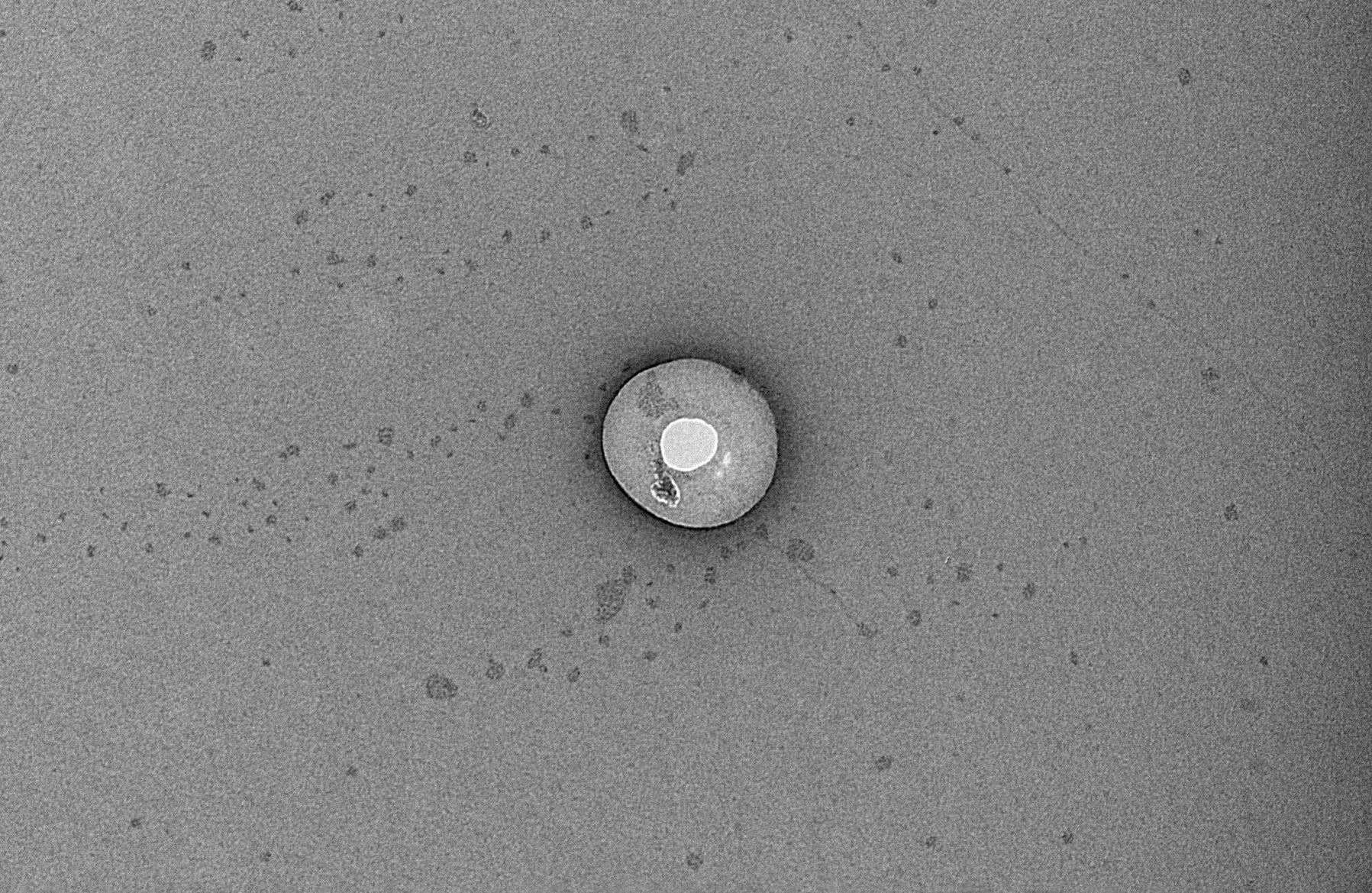
Advanced nano-sized vesicles are extracted from the Centella Asiatica plant (famously known as “Cica”). In this formulation, Centella Asiatica exosomes help offset any potential irritation from the retinoid. They provide deep hydration and help reinforce the skin’s moisture barrier, which is crucial when using a strong active like retinal. By strengthening the barrier and delivering soothing compounds into the skin, these exosomes visibly reduce redness and discomfort and promote a healthier, resilient complexion during the retinal treatment process.
With its ability to hold up to 1,000 times its weight in water, sodium hyaluronate penetrates into the superficial layers of the skin to attract and retain moisture. This ensures that the skin stays visibly plump and well-hydrated, counteracting the drying effects that potent retinoids can sometimes cause. By maintaining optimal hydration levels, sodium hyaluronate helps keep the skin comfortable and supple, and it further supports the skin barrier function.